End-of-Life Vehicles Regulation
The EU End-of-Life Vehicles (ELV) framework is being overhauled. Directive 2000/53/EC, which has set the rules for substance restrictions and end-of-life treatment of passenger cars and light commercial vehicles since 2000, is being replaced by a directly applicable regulation. The European Parliament voted on 15 June 2026, with Council approval still pending. The four substance restrictions — lead, mercury, cadmium and hexavalent chromium — carry over. What is added changes the compliance picture significantly for supply chains.
The new regulation introduces a Circularity Vehicle Passport requiring vehicle manufacturers to document restricted substances, recycled content levels and circularity data for each vehicle type they place on the market. That documentation cannot be assembled at the OEM level alone. It requires structured chemical and material data from component and material suppliers, which means the information burden moves up the supply chain into sectors that have not previously had to produce it in this form.
Mandatory minimum recycled plastic content targets add a further layer. Recycled polymer feedstocks used in automotive parts are subject to the same obligations under REACH as virgin materials. If a recycled plastic component contains a Substance of Very High Concern (SVHC) above 0.1% w/w, Article 33 communication requirements apply, and a SCIP notification to the EU Waste Framework Database is required. As recycled content targets increase, so does the REACH due diligence around the materials used to meet them.
The obligations extend through the entire supply chain, not only to vehicle assemblers. Chemical manufacturers, formulators and material suppliers selling into automotive applications carry their own compliance responsibilities under ELV and under REACH for substances relevant to those applications. Where the new regulation changes what downstream actors need to demonstrate, it changes what upstream suppliers need to document and provide.
How LIRK NOR can help

Substance restrictions: assessment and documentation
The ELV restricted substances (lead, mercury, cadmium and hexavalent chromium) apply to vehicles and their components placed on the EU market. Exemptions for specific technical uses are time-limited and subject to periodic review. Some are being phased out as alternatives become commercially available, others are pending renewal decisions. Knowing which exemptions cover your applications, when they expire and what the renewal pipeline looks like is the practical compliance question for most suppliers operating in this space.
We assess product portfolios against ELV restricted substance requirements and the current exemption schedule, identify where reliance on a specific exemption creates future exposure, and support the compliance documentation that automotive customers and OEMs require from their supply chains. Where the new regulation's substance provisions differ from those under the directive, we advise on what needs to be reviewed and when.

REACH and SVHC obligations across the ELV supply chain
Many of the substances restricted under ELV also appear on ECHA's SVHC Candidate List, carry harmonised classifications under Reg. (EC) No 1272/2008 (CLP), or are subject to authorisation or restriction requirements under REACH that operate independently of the ELV framework. Lead compounds, cadmium compounds and hexavalent chromium fall into this category. Managing compliance for these substances means tracking both frameworks, since a substance may be permitted under an ELV exemption but still trigger SVHC communication obligations under REACH Article 33 or require a SCIP notification under the Waste Framework Directive.
We map REACH obligations (SVHC communication, Article 33 disclosure, SCIP database notifications, and restriction compliance) onto the ELV substance picture for your product portfolio. The output is a complete view of what each substance requires across both frameworks, so that customer requests for substance declarations and internal compliance reviews are answered from a consistent and up-to-date regulatory baseline.

Circularity Vehicle Passport: chemical and substance data
The Circularity Vehicle Passport requires vehicle manufacturers to document restricted substances, recycled content levels and design-for-circularity information for each vehicle type. The data requirements at vehicle level have to be built from information provided by component and material suppliers. For chemical manufacturers and material suppliers, this creates a new kind of data request: structured, substance-level information in formats that feed into a formal documentation system, rather than the ad hoc declarations that have generally been sufficient to date.
We advise on the chemical and substance data requirements the Circularity Vehicle Passport is likely to place on supply chain actors as the regulation takes effect, assess where current substance management documentation produces gaps, and support the data collection and structuring processes needed to respond to customer requests. Where companies are receiving early requests from OEMs ahead of formal implementation, we help interpret what is being asked for and what a compliant and proportionate response looks like.
Recycled material compliance under REACH
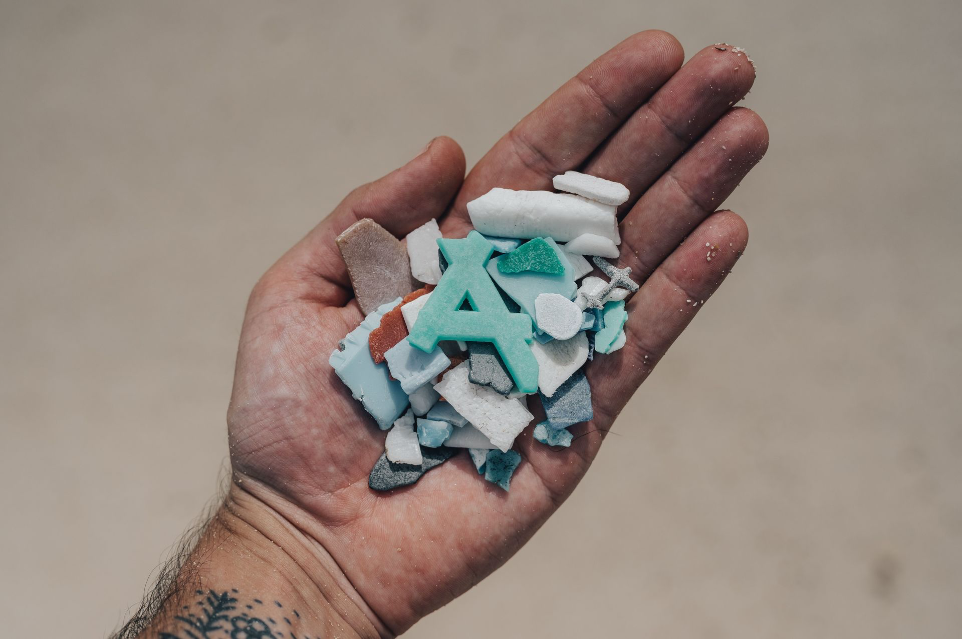
Meeting mandatory minimum recycled plastic content targets means sourcing recycled polymer feedstocks in volumes that many automotive supply chains have not previously managed. The REACH compliance work around those materials is the same as for virgin plastics. If a recycled plastic component contains an SVHC above 0.1% w/w, the Article 33 obligation to inform downstream users applies. SCIP notifications to the EU Waste Framework Database are required. The difference is that establishing the chemical identity and concentration data needed to meet those obligations can be substantially harder for recycled streams, where incoming material compositions are less predictable than for virgin materials with a known specification.
We advise on REACH compliance for recycled polymer feedstocks and components used in automotive applications, assess SVHC content where composition data is incomplete or inconsistent, support Article 33 communications to downstream customers, and prepare SCIP notifications for recycled-content automotive parts. Where there are genuine data gaps in the recycled material stream, we advise on how to document and manage those gaps proportionately within what REACH requires.

Supply chain data collection and substance declarations
Automotive OEMs and Tier 1 suppliers request substance data from their supply chains continuously, through IMDS submissions, customer-specific declaration templates and questionnaires that combine ELV, RoHS and REACH requirements in a single document. For suppliers receiving these requests, the compliance question is often straightforward; the operational challenge is assembling accurate, current, and internally consistent substance data across a product range and providing it in a format the customer accepts.
We support suppliers in responding to automotive customer substance data requests, review incoming questionnaires and identify the specific regulatory requirements behind the questions, and help develop internal substance management processes that make recurring requests more manageable. For companies that need to gather substance data from their own suppliers before they can respond upward in the chain, we take on that collection function: contacting suppliers, requesting documentation to the required standard, following up on gaps, and screening received data for completeness and accuracy.

ELV compliance audit and gap analysis
The transition from the ELV Directive to a directly applicable regulation is a reasonable moment to assess where your current compliance documentation stands and what the new requirements introduce. A structured gap analysis covers current product portfolios against the ELV restricted substance list and exemption schedule, the intersection with REACH and CLP obligations for the same substances, and the new requirements on recycled content and the Circularity Vehicle Passport that were not present in the directive.
We carry out these reviews for manufacturers, formulators and material suppliers. The output identifies what needs attention, with a realistic view of timing based on the regulation's implementation schedule rather than a generic compliance checklist. For companies that want to build on the audit with ongoing support, we offer a retainer covering regulatory monitoring, documentation maintenance and customer request management as the new regulation's requirements take effect.